The public identity
The profile should use an authorised professional name and a current public contact route. An administrative email used for a listing discussion can be different from information intended to appear publicly. A representative should have permission to propose the individual’s profile.
The portfolio and its author
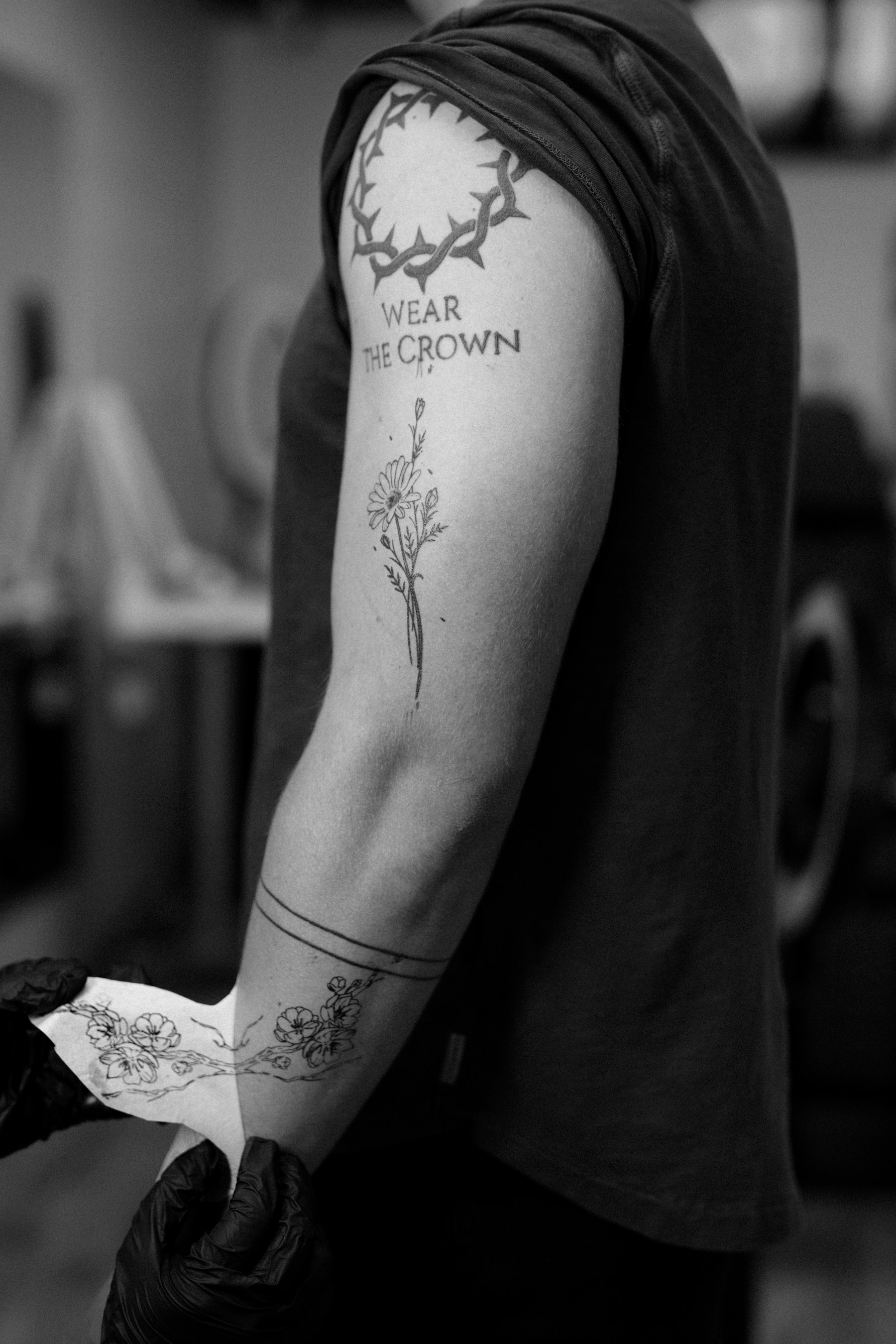
An image should remain attached to the person who made the work and its publication context. Original projects, studies, references and collaborations should be distinguished where relevant. Credit the creator, photographer and other contributors rather than letting a shared account imply that all work has one author.
Current working relationships
A location or studio relationship needs current context. Ask whether the person is resident, visiting, collaborating or describing a past project. A directory category is a starting point for enquiry; it is not an availability calendar, an accepted booking or a promise that every associated place is a current working address.
The claims that can be supported
A profile should avoid unapproved rankings, badges, licensing statements, affiliations or promised outcomes. Any review or verification statement needs an actual responsible process and a clearly defined scope. A polished image and an attractive profile layout do not independently establish competence or suitability.
Publication and correction
There are no approved public artist profiles yet. Actual publication requires identity and permission checks, authorised images, supported text and a way to request correction or withdrawal. The private proposal tool prepares a draft for review; it does not approve a membership or create a public record.